


Officer Building
Inspections
★★★★★ 4.8 on Google · 570+ reviews

Waterproofing inspection in Officer

The membrane is checked once it has cured and before the tiler covers it.

  • Once the membrane has cured, ahead of tiling
  • About 1 hour on site
  • Report within 24 hours
Request your quoteSend your details and an Officer inspector will phone you.

No obligation. We use your details for your quote and may contact you about it even if you don't finish.

Fully licensed & accredited

Stage6 of 7
When to bookOnce the membrane has cured, ahead of tiling
Time on siteAbout 1 hour on site
Inspected againstAS 3740 (waterproofing of domestic wet areas), AS 3958 (tiling), NCC Volume Two Part 10.2

What is included in a Officer waterproofing inspection

  • Membrane in every wet area
  • Upturn heights at walls
  • Water stop angles at doorways
  • Bond breakers at changes of plane
  • Niche corners and edges
  • Shower falls to the waste
  • Puddle flanges at floor wastes
  • No rips or pinholes anywhere in the membrane
  • Laps onto wall flashings
  • Balcony membranes where present
  • Substrate prepared and primed, as far as can be seen
  • Protection of the cured membrane
Why it matters here

Waterproofing inspections on Officer builds

In Officer we have found membranes torn over a wide frame-to-slab gap, niches left with pinholes and thin corners, and water stops that end short of the wall flashing. Once tiled, every one of those becomes a hidden leak.
What we find at this stage in Officer

  • Membrane damaged or torn
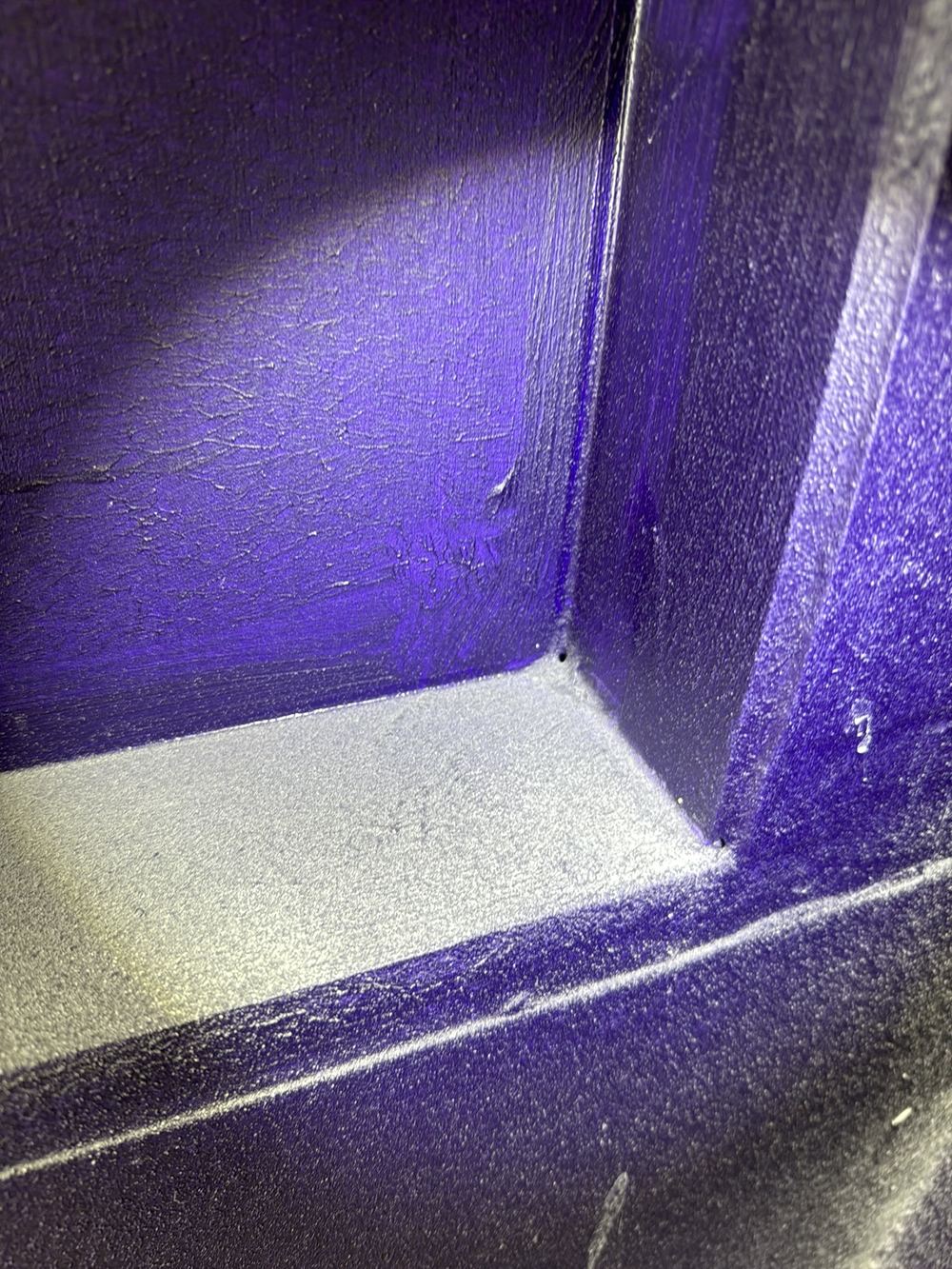
  • Thin coverage and pinholes in niches
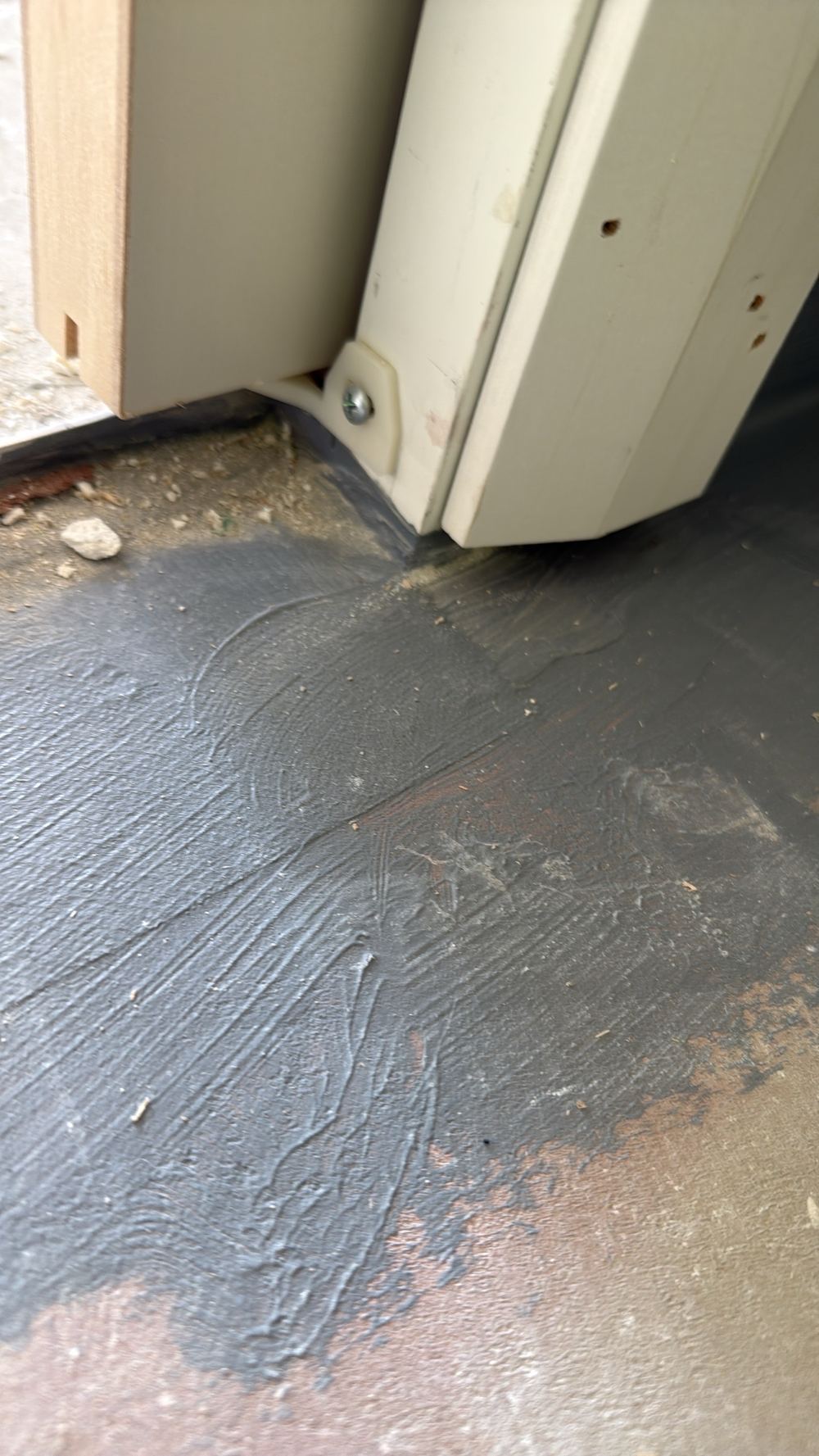
  • Water stop not reaching wall flashing
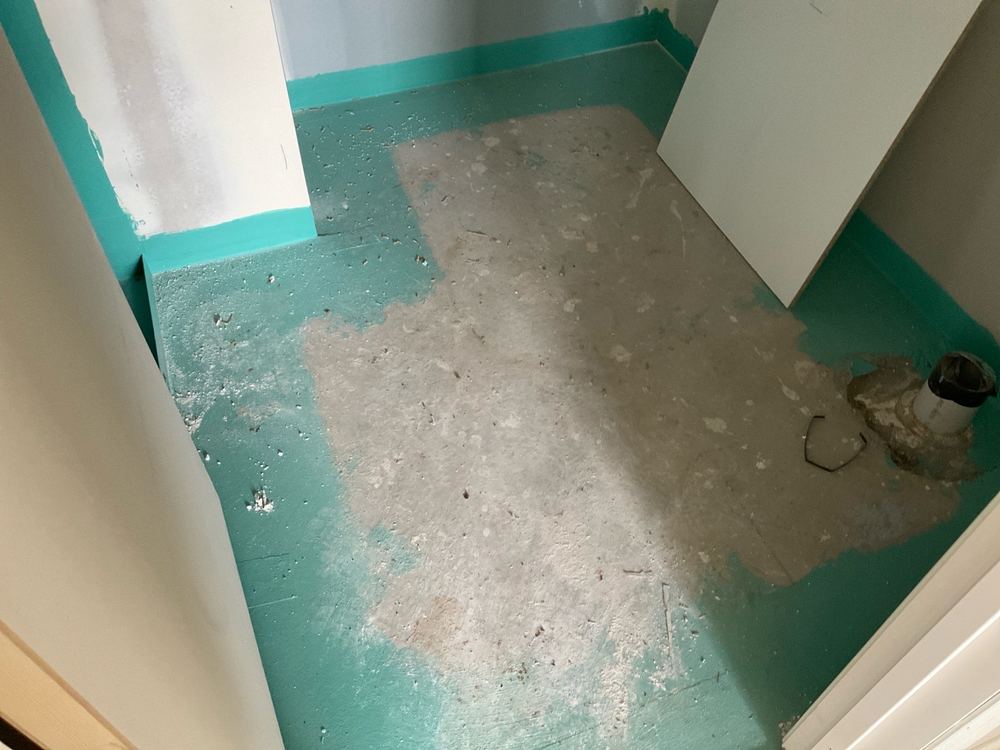
  • Wet areas not yet waterproofed
  • Shower base with poor falls
  • Bond breaker missing
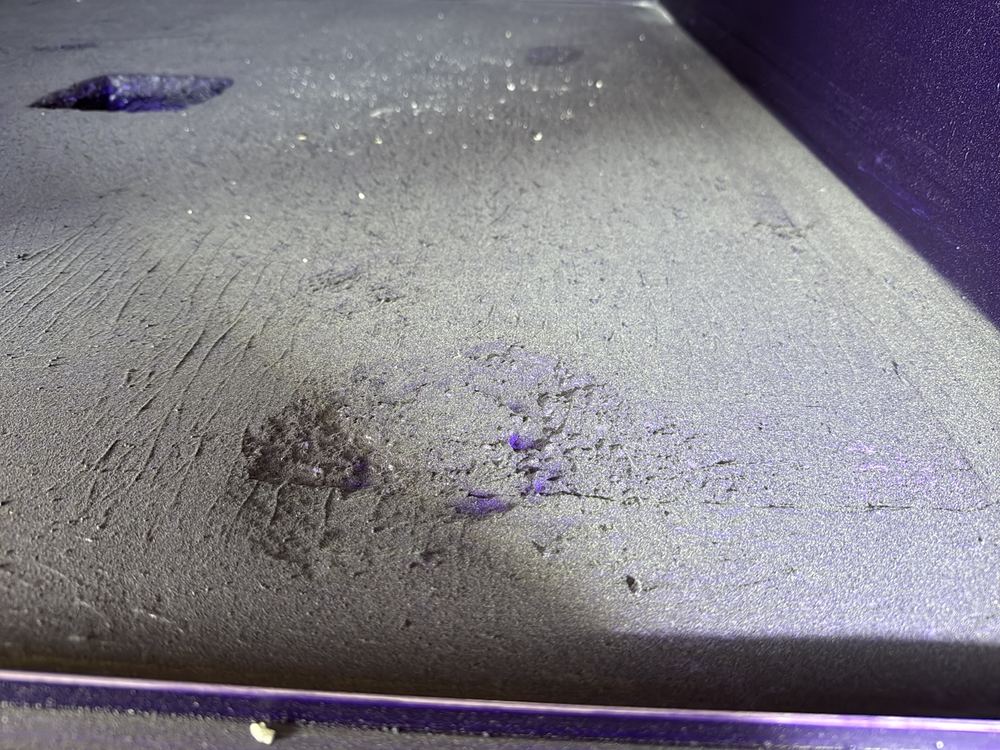
Shower base with low spots where water will sit instead of reaching the waste, found during a waterproofing inspection in Officer
Shower base with low spots where water will sit instead of reaching the waste
Sample findings

Sample defects found during our waterproofing inspections in Officer

Annotated findings from Waterproofing inspections.
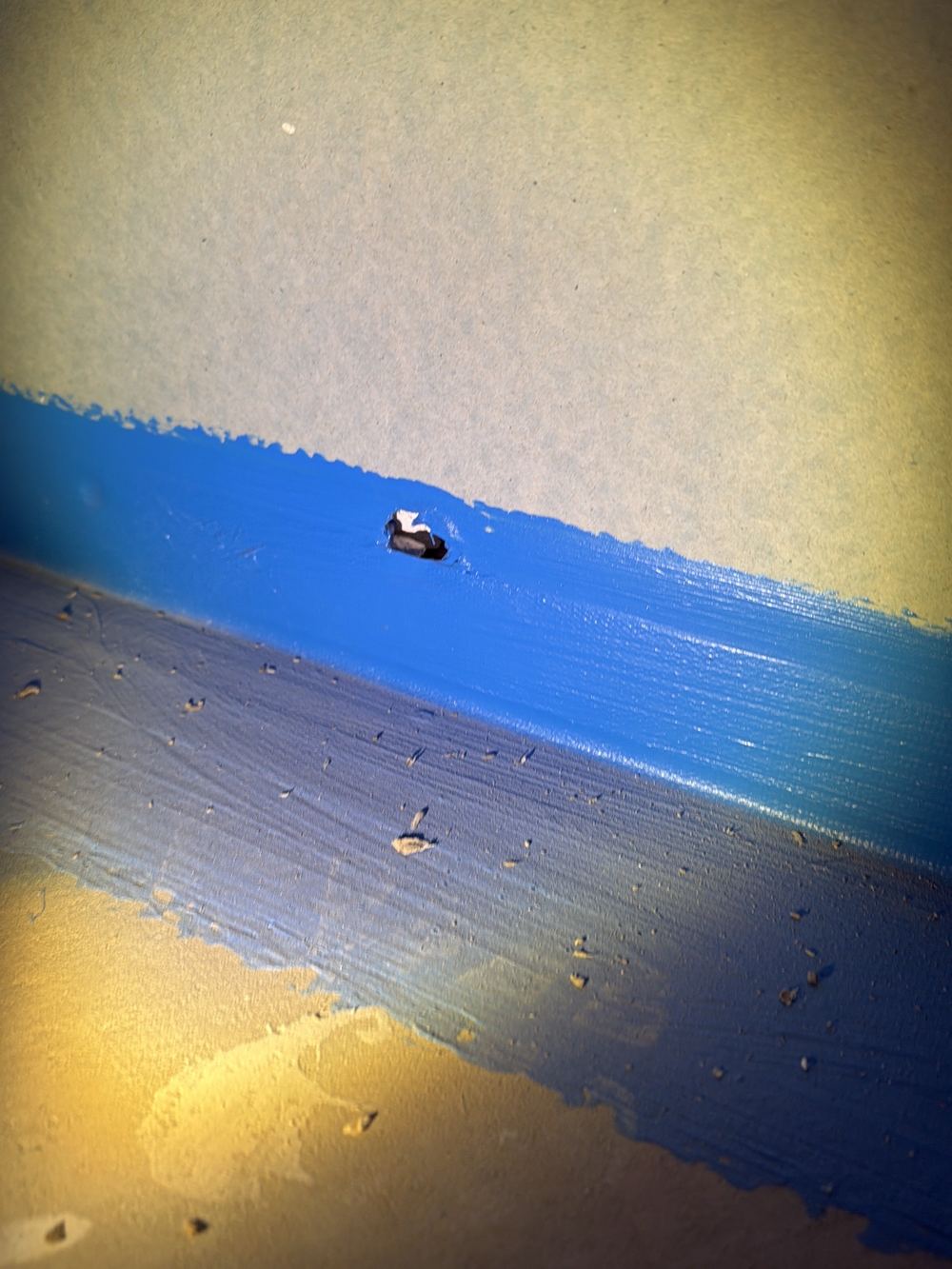
Membrane torn where a wide gap between frame and slab was never closed, found during a waterproofing inspection in Officer
Membrane torn where a wide gap between frame and slab was never closed
Pinholes and open corners in the niche membrane, a sign of thin coverage, found during a waterproofing inspection in Officer
Pinholes and open corners in the niche membrane, a sign of thin coverage
Water stop angle ending short of the wall flashing at the doorway, found during a waterproofing inspection in Officer
Water stop angle ending short of the wall flashing at the doorway
Membrane not yet applied in every wet area, and tiling has to wait for it, found during a waterproofing inspection in Officer
Membrane not yet applied in every wet area, and tiling has to wait for it

The other stages of a Officer build

  1. Bored piers inspection in Officer1Bored piersHoles bored and cleaned, before the pier concrete
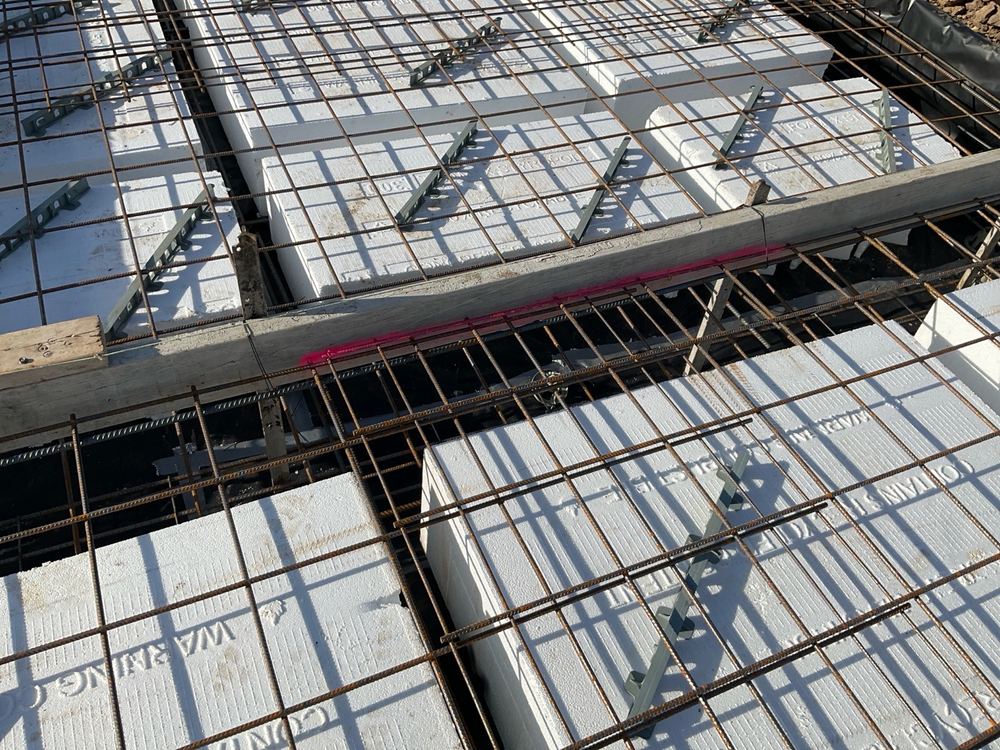
  2. Slab pre-pour inspection in Officer2Slab pre-pourFormwork, steel and pods in, the day before concrete
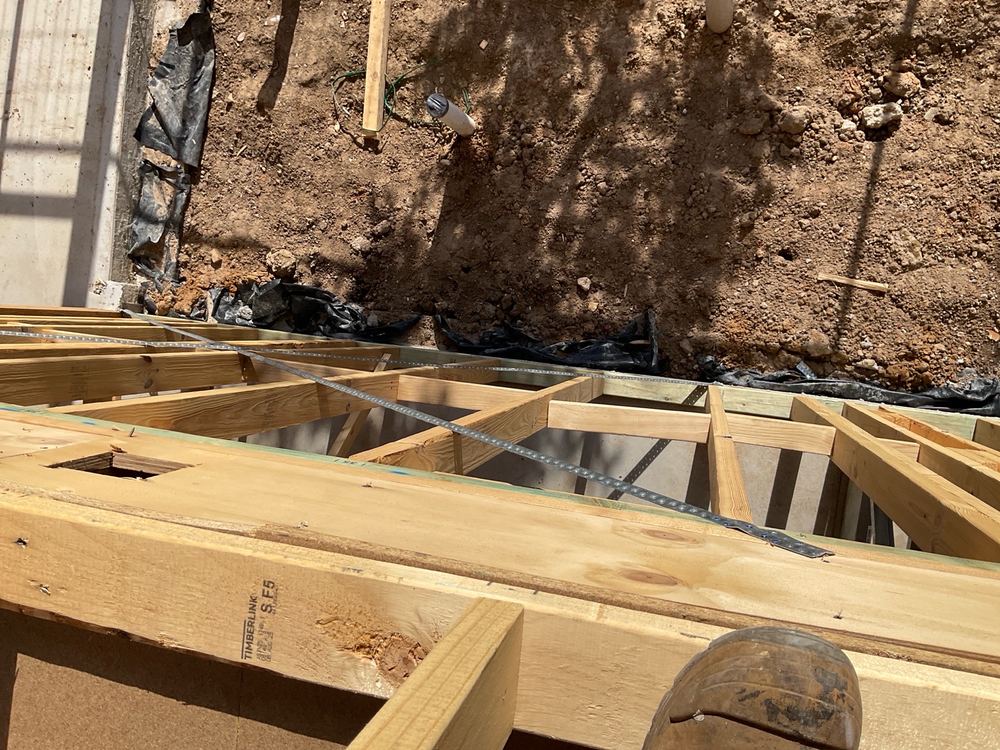
  3. Frame inspection in Officer3FrameWalls and trusses up and braced, before wrap and insulation
  4. Lock-up (pre-plaster) inspection in Officer4Lock-up (pre-plaster)Roof, windows and cladding on, before plasterboard
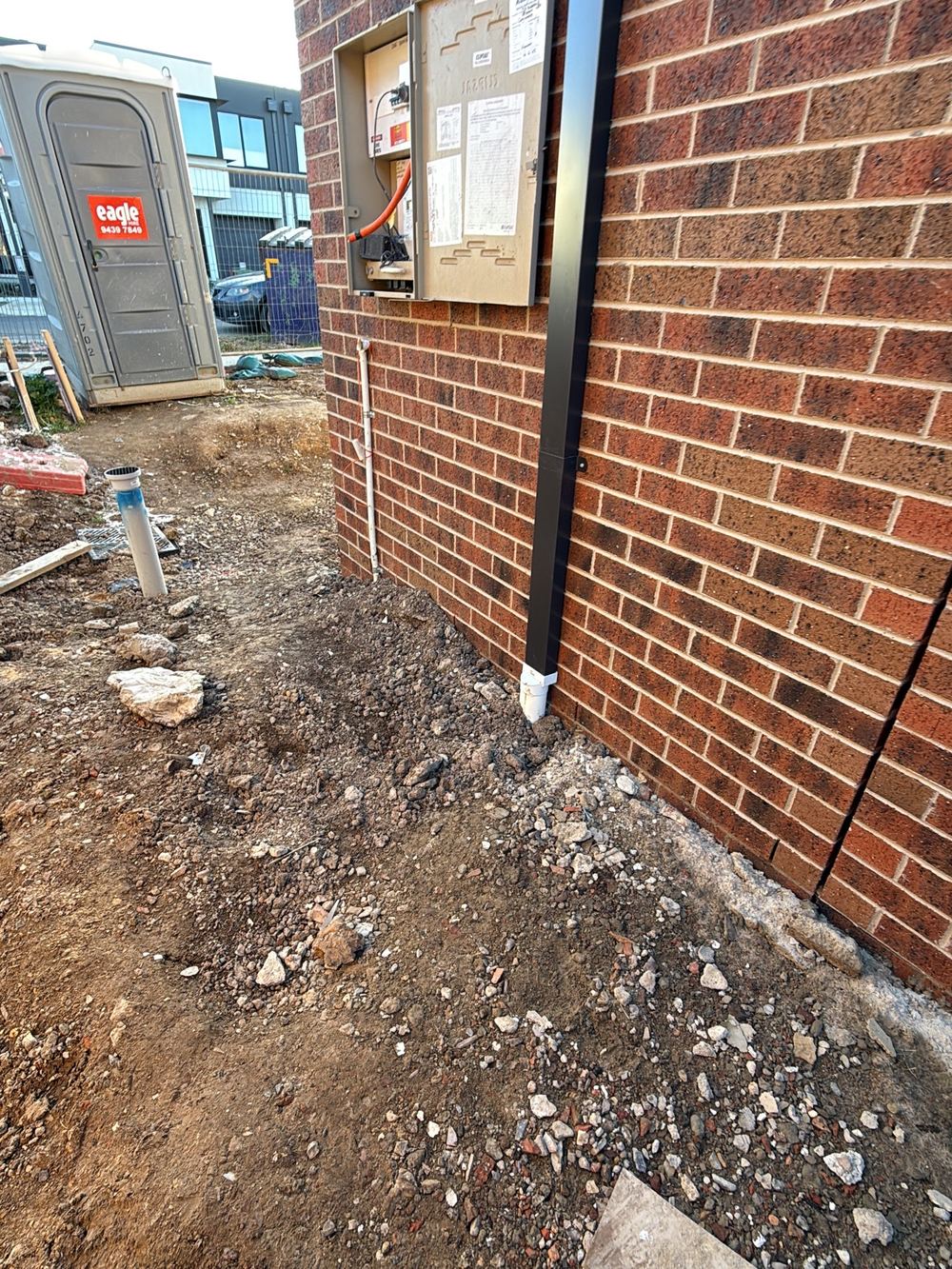
  5. Fixing inspection in Officer5FixingDoors, mouldings and cabinets in, before painting
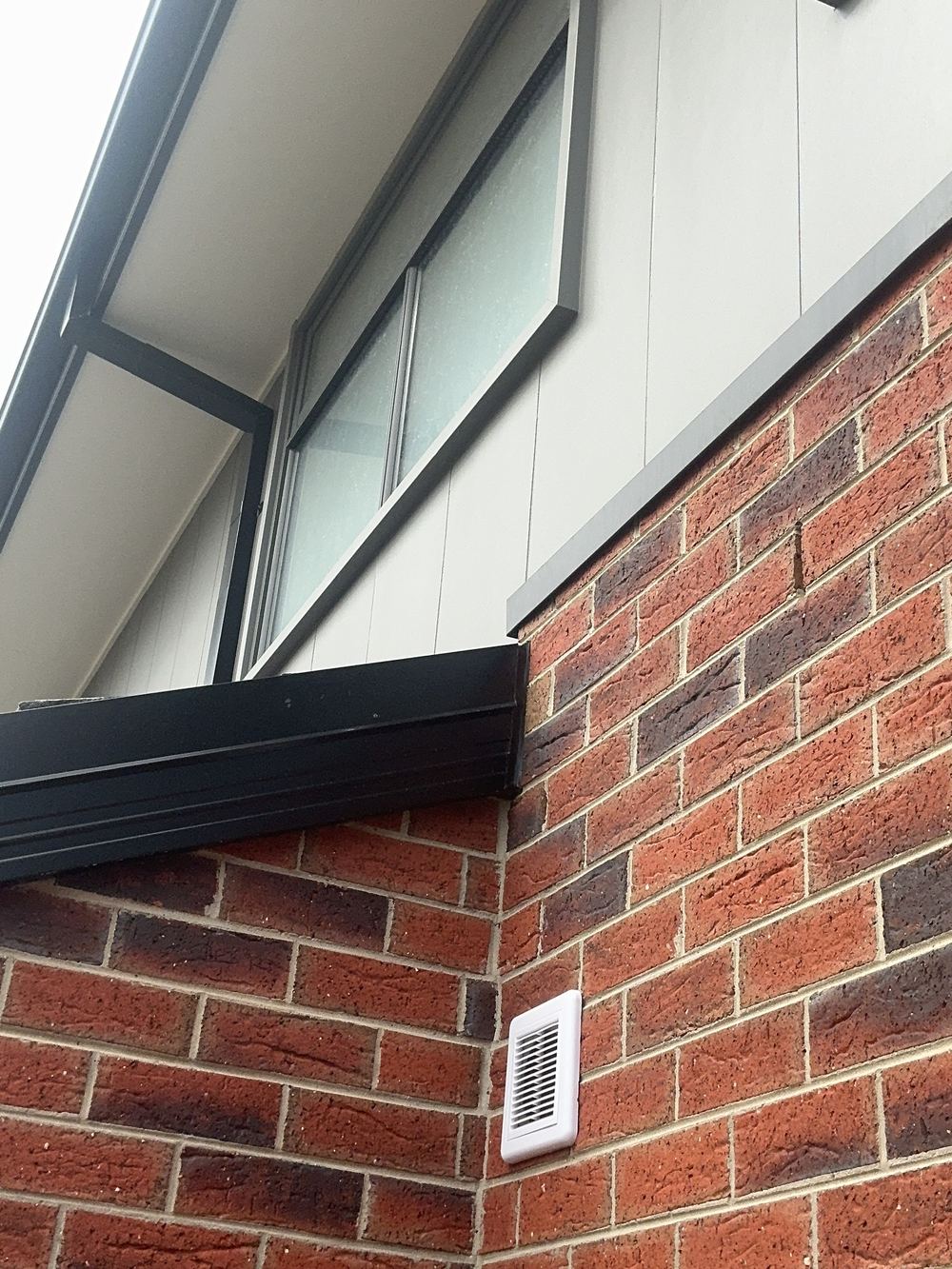
  6. Pre-handover (PCI) inspection in Officer7Pre-handover (PCI)Roughly seven days out from your PC date

All construction stage inspections in Officer →

Guides

Construction stage guides for Officer

All guides →

Book a waterproofing inspection in Officer

Instant online pricing, or talk to the booking team on 1300 471 805.

FAQ

Waterproofing inspections in Officer: common questions

Which standard applies to waterproofing?

AS 3740, together with the National Construction Code requirements for wet areas.

What is a water stop angle?

A metal or plastic angle at the doorway of a wet area that stops water spreading under the floor finish. The membrane has to turn up and lap onto it.

Can you inspect after tiling?

Not the membrane itself. After tiling we can only look for symptoms such as moisture readings.

Do you flood test?

No. It is a visual inspection of the membrane's coverage, laps, upturns and junctions.

What about balconies?

Balconies over living space need a membrane too, and we check it the same way where it is accessible.

How long does it take?

Usually under an hour.

CallGet a Free Quote